
In the ever-evolving world of modern agriculture, precision and efficiency are paramount. For livestock producers, DNA parentage assignment has emerged as a crucial tool, ushering in a new era of farm management. In this blog post, we’ll delve into why DNA parentage assignment is invaluable for producers and explore the role of DNA, SNPs, and genotyping in this game-changing process.
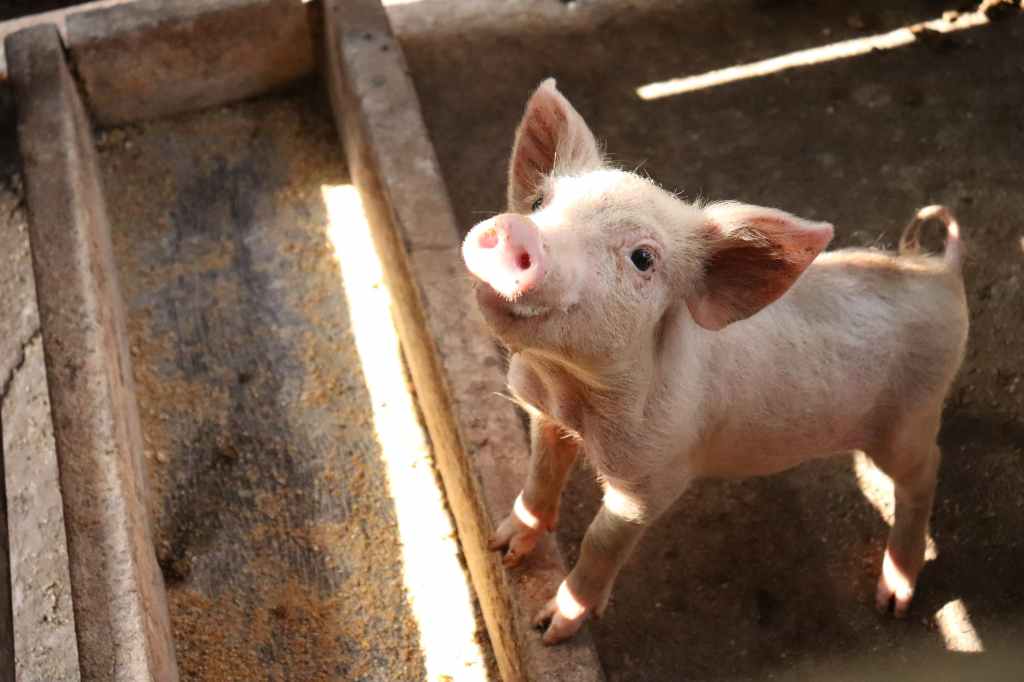
DNA Parentage Assignment: A Revolution in Livestock Management
DNA parentage assignment, also known as parentage testing, is the practice of determining the parentage of an animal by analysing its DNA. This innovative approach to identifying parentage has redefined the way producers manage their livestock. DNA based parentage assignment using genotyping has taken the guesswork out of pedigree recording.
The Role of DNA in Parentage Assignment
At the heart of DNA parentage assignment lies the unique genetic code of each animal. By analysing specific DNA sequences, known as single nucleotide polymorphisms (SNPs), producers can establish precise parentage relationships. This is because every animal has two copies of every SNP marker, one from its father and one from its mother. This pattern of inheritance can be used to determine the parents of an animal from a whole herd.
- Unparalleled Accuracy: DNA-based parentage assignment offers an unmatched level of accuracy. Unlike traditional methods based on visual traits, DNA analysis leaves no room for human error.
- Early Identification: This technology allows for the identification of parentage relationships even in newborn animals, providing valuable information for early management decisions.
SNP Genotyping: The Backbone of DNA Parentage Assignment
SNP genotyping plays a pivotal role in the DNA parentage assignment process. SNPs are specific points within an animal’s DNA where variations exist, and these variations are unique to each individual.
- Highly Informative: SNPs are highly informative genetic markers, making them ideal for parentage assignment. Their abundance in the genome ensures accurate and reliable results.
- Efficient and Cost-Effective: SNP genotyping is an efficient and cost-effective method. It allows for the simultaneous analysis of multiple SNPs, making it practical for producers with varying herd sizes.
Advantages of DNA Parentage Assignment for Producers
- Breeding Management: Producers can make informed decisions regarding breeding pairs, ensuring the genetic improvement of their herd.
- Pedigree Validation: DNA parentage assignment validates the pedigree of animals, reducing the risk of incorrect records.
- Herd Health: It aids in tracking disease susceptibility and identifying carriers of genetic conditions, contributing to herd health management.
- Marketability: Accurate parentage records enhance the marketability of livestock, especially in breeds with strict pedigree requirements.
- Record Keeping: DNA parentage assignment provides an invaluable addition to record-keeping systems, simplifying farm management.
In conclusion, DNA parentage assignment has become an indispensable tool for modern livestock producers. By harnessing the power of genotyping, producers can achieve unprecedented accuracy in parentage verification, make informed breeding choices, and ultimately elevate the overall quality of their herds. Embracing this technology is a forward-looking step that enhances efficiency, accuracy, and profitability in livestock farming.
Are you ready to unlock the benefits of DNA parentage assignment for your farm? Start your journey today and experience the transformative impact it can have on your livestock management practices.
Subscribe
Enter your email below to receive updates.
 D3 Genetics